Why the U.S. Could Ultimately Use Nuclear Weapons Against Iran
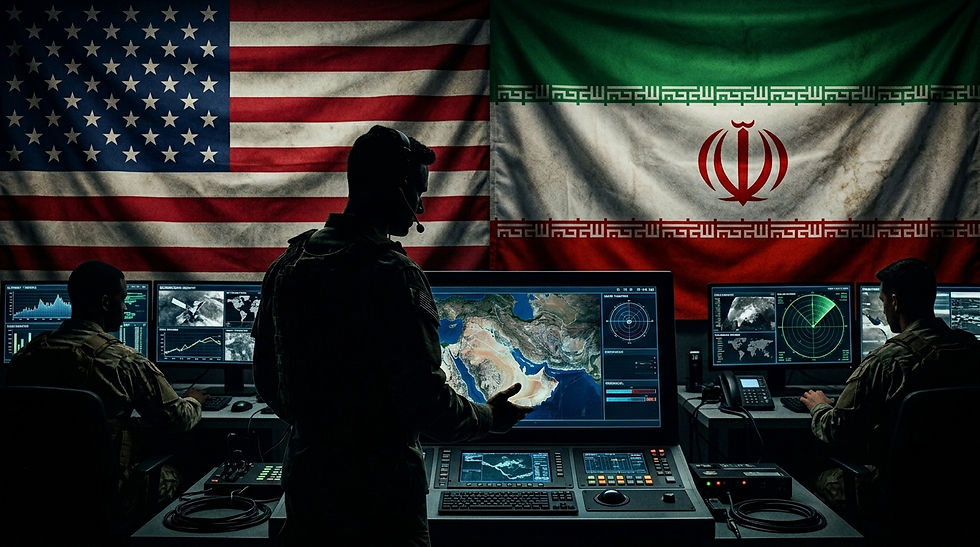
Most analysts assume that the United States will avoid the use of nuclear weapons under any circumstances. The question is not whether nuclear weapons are morally acceptable. The question is whether President Trump can accept the disgrace of failure in a war.
The Middle East conflict has already exposed a deeper problem. America’s allies purchased enormous quantities of American weapons and security guarantees for decades. Yet many are now questioning whether the United States can still provide sufficient protection in a prolonged regional conflict. Missile inventories are depleted, defense systems are under pressure, and confidence in American deterrence has begun to erode.
For President Trump, a prolonged war that consumes vast resources while failing to produce a visible strategic victory risks damaging both American credibility abroad and political support at home.
Through the Vietnam War, the Pacific War, and now the conflicts in the Middle East, the United States has repeatedly learned that conventional warfare often brings an extraordinarily expensive bill. If Iran continues to absorb conventional attacks while refusing to capitulate, the pressure to restore deterrence and confidence through an unprecedented show of force—including the possible use of nuclear weapons—may increase dramatically.
American leadership will conclude that conventional military power can no longer achieve the desired political outcome quickly enough. The greatest mistake in geopolitics is assuming that political leaders will never cross a line simply because others believe it should never be crossed.