North Korea to Be the World’s Largest Industrial Laboratory
Updated: Jun 6
When discussing the opening of North Korea, most observers focus on minerals, labor, or geopolitical value. However, North Korea’s true value may lie elsewhere.
North Korea is widely regarded as one of the most underdeveloped countries in the world. Paradoxically, that very underdevelopment may make it one of the world’s most unique industrial laboratories and one of the largest investment opportunities of the twenty-first century.
Today, advanced economies such as the United States, Japan, Europe, and South Korea are constrained by decades of accumulated regulations, political interests, labor disputes, environmental restrictions, community opposition, and legacy infrastructure. Building a new city is politically difficult. Constructing new power grids, transportation networks, or industrial zones often requires navigating years of resistance and bureaucratic complexity.
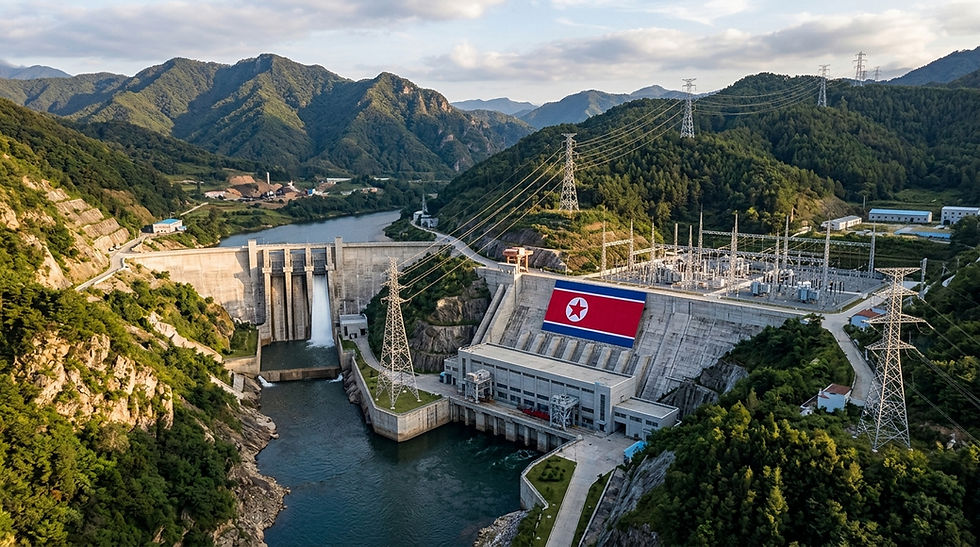
North Korea presents a fundamentally different environment. While the country lacks modern infrastructure across almost every category, it also faces far fewer of the institutional constraints that slow development elsewhere. Even Pyongyang, the country’s most developed city, continues to experience shortcomings in electricity generation, housing quality, water and sewage systems, telecommunications, logistics networks, and industrial facilities. Many buildings lack modern maintenance standards, while large portions of the country remain disconnected from the infrastructure expected in a modern industrial society.
Most people view these conditions as weaknesses. Investors may see something different.
What if an industrial society could be redesigned from the ground up?
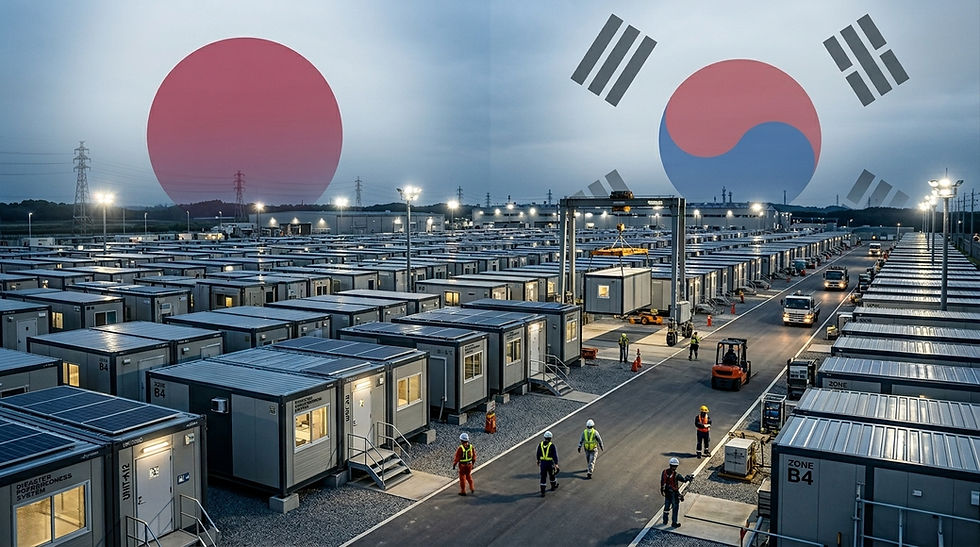
North Korea offers the possibility of constructing housing, transportation systems, power grids, logistics corridors, communications infrastructure, and industrial facilities without many of the legacy burdens faced by advanced economies. The question is not merely how to modernize North Korea, but how to build more efficient systems than those currently operating elsewhere.
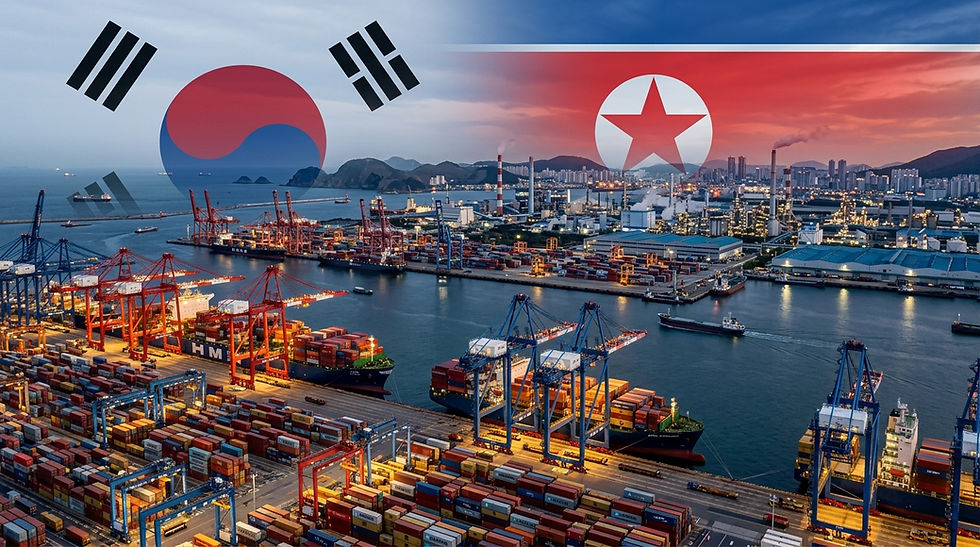
North Korea also occupies a unique geographic position. It sits between China, South Korea, Japan, and Russia while maintaining access to important shipping routes and future Arctic logistics networks. Few developing regions combine such strategic geography with such extensive opportunities for industrial reconstruction.
North Korea itself also has incentives to pursue selective development. The regime has long valued the image of national modernization and international relevance. The Wonsan development initiative unveiled in 2025 reflects more than a tourism project. It suggests an interest in experimenting with new urban models, infrastructure systems, and economic structures. Under the right conditions, investors in energy, logistics, telecommunications, housing, tourism, and manufacturing may find increasing opportunities to participate.
None of these guarantees success. Yet failure may come quickly, and success may emerge just as rapidly. In the twenty-first century, industrial competition increasingly depends on who can experiment faster, allocate capital more efficiently, and build superior systems before others do.
From this perspective, North Korea may prove to be more than an emerging market. It may become the world’s largest industrial laboratory — a place where governments, corporations, and global capital compete to design the foundations of an entirely new economic system.